A $7,000 Environmental Settlement. Another Groundwater Permit Change. What’s Happening in Carlyss?

CARLYSS, La. — What happens when a company responsible for disposing of hazardous industrial waste wants to change the rules governing how groundwater is monitored beneath its facility?
And what happens when that same company has a three-year-old environmental enforcement case moving toward a $7,000 settlement?
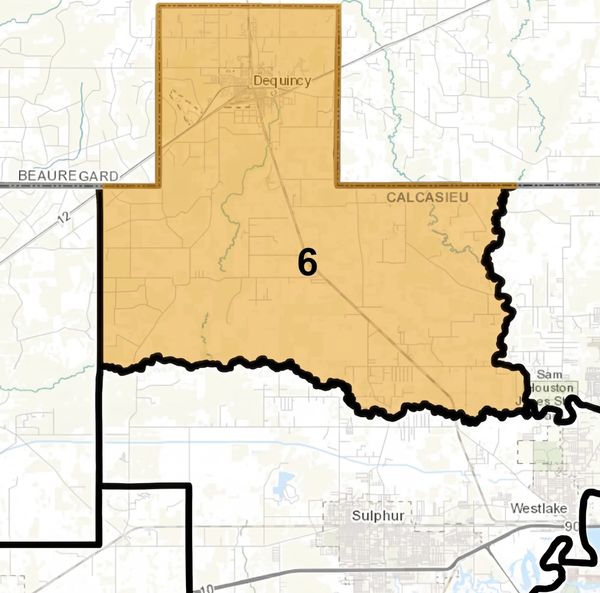
Both questions now surround Chemical Waste Management’s facility at 7170 John Brannon Road in Carlyss.
The paper trail begins in 2023.
On June 21 of that year, the Louisiana Department of Environmental Quality issued an enforcement order against the company involving environmental compliance. In May 2024, the company sought changes to its Groundwater Monitoring Plan and Post-Closure Plan.
State records show another hazardous-waste permit modification was approved in January 2026, followed by a separate operating-permit renewal process. Then came October.
An October 22 public notice reportedly identifies another proposed groundwater monitoring revision. Six days later, LDEQ’s settlement ledger records a $7,000 agreement involving the earlier enforcement case. The October 28 entry reflects referral to the Attorney General, not confirmed final settlement.
No environmental improvement project is included in the listed settlement.
But here’s what makes the situation worth examining. Groundwater monitoring wells are designed to help detect whether hazardous contaminants are escaping disposal areas. Changing a monitoring plan can mean strengthening protections, adjusting equipment, or modifying testing requirements.
The public notice alone does not establish which changes the company wants.
And the underlying enforcement findings have not yet been compared with the proposed groundwater revisions.
There is no established connection between the two proceedings.
But residents deserve to know whether the company is seeking changes to any environmental requirements implicated in its earlier enforcement case.
A November 24 public meeting in Carlyss has been reported, although its details still require confirmation from LDEQ.
The question isn’t simply why the company faces a $7,000 settlement.
It’s whether the rules designed to detect contamination are changing—and whether the people living nearby have been told exactly how.