A Military Bomber Crashed Into a Lake Charles Neighborhood in 1955. Five People Never Made It Home.

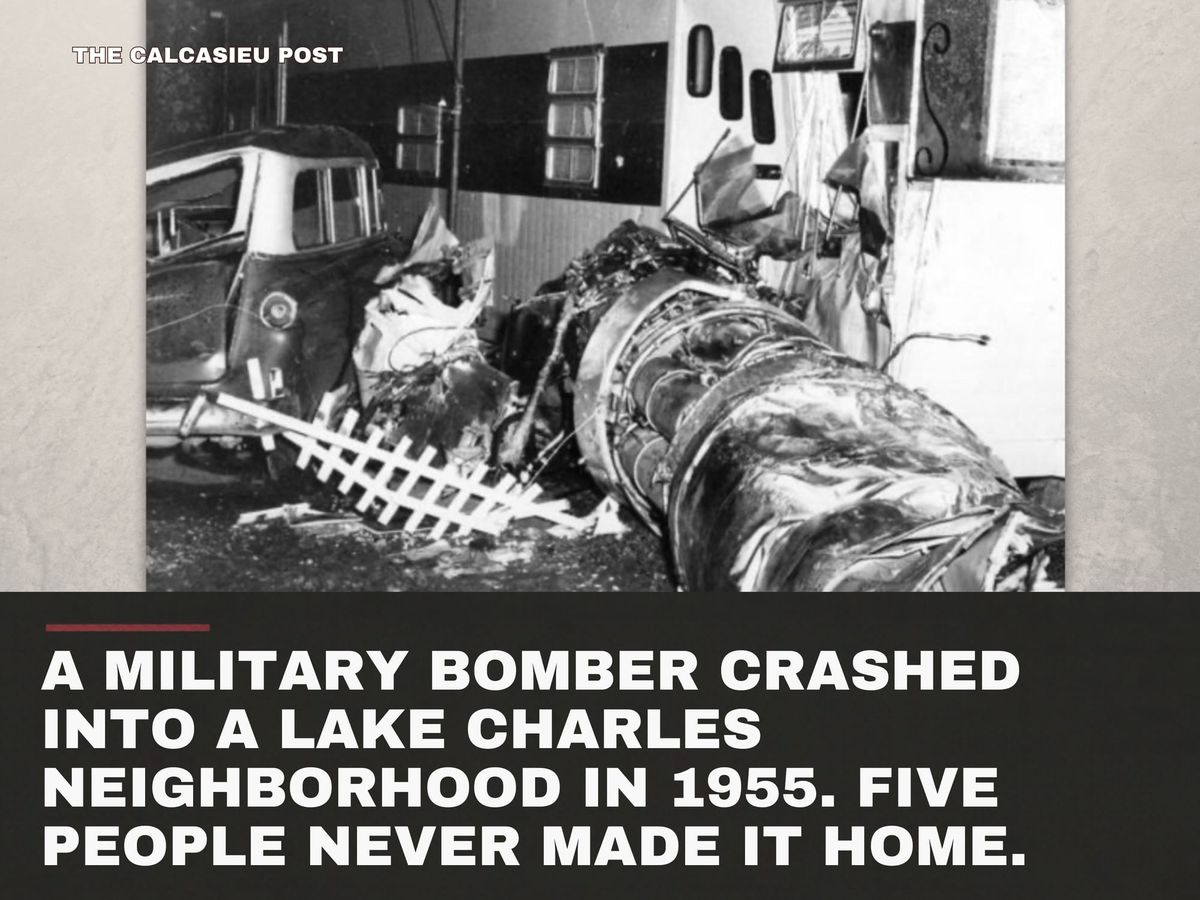
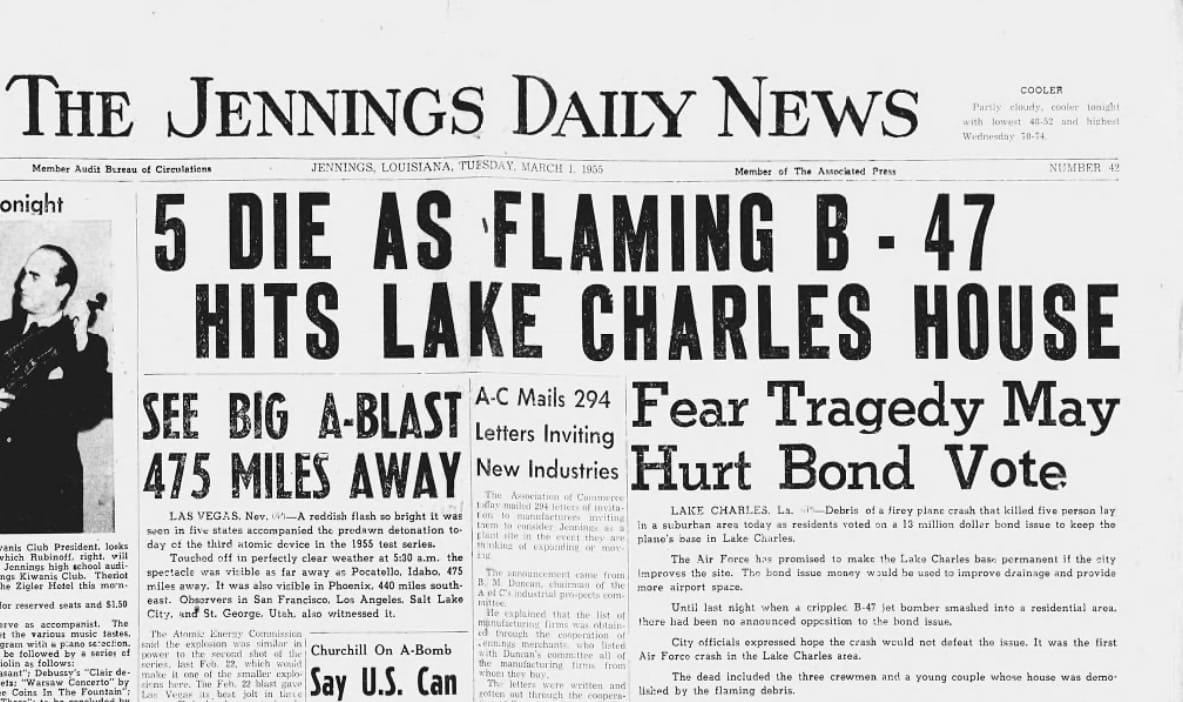
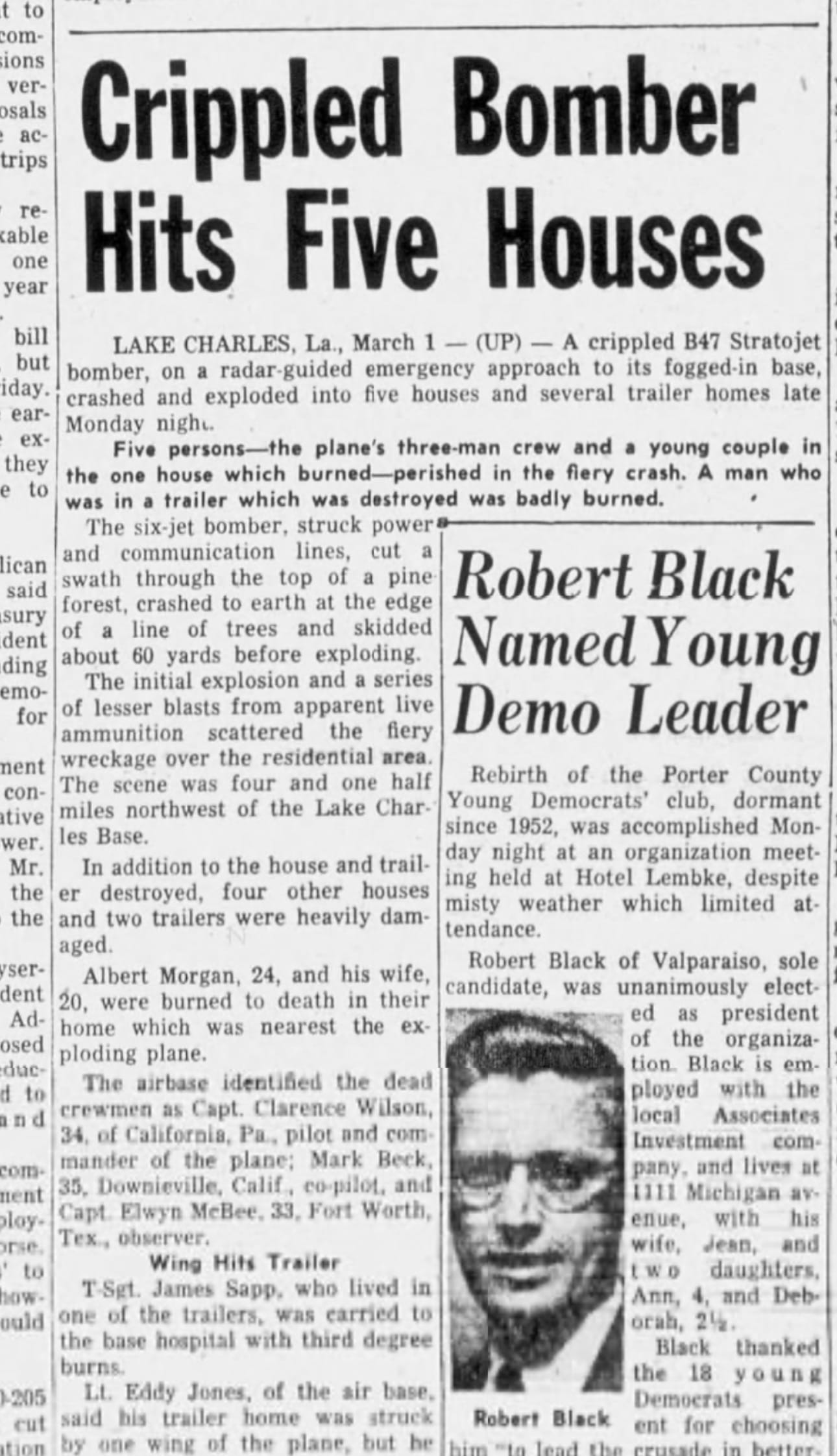
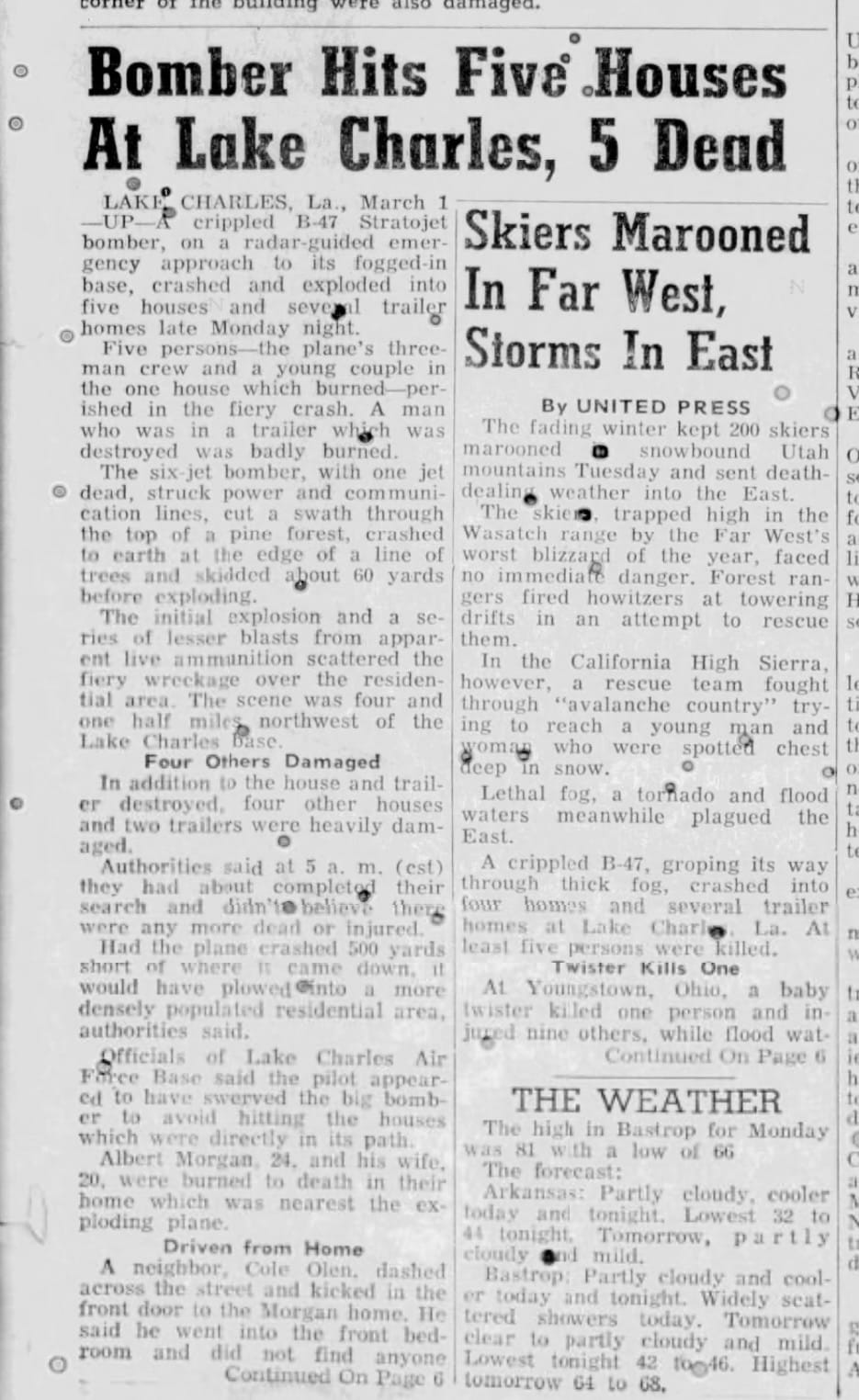
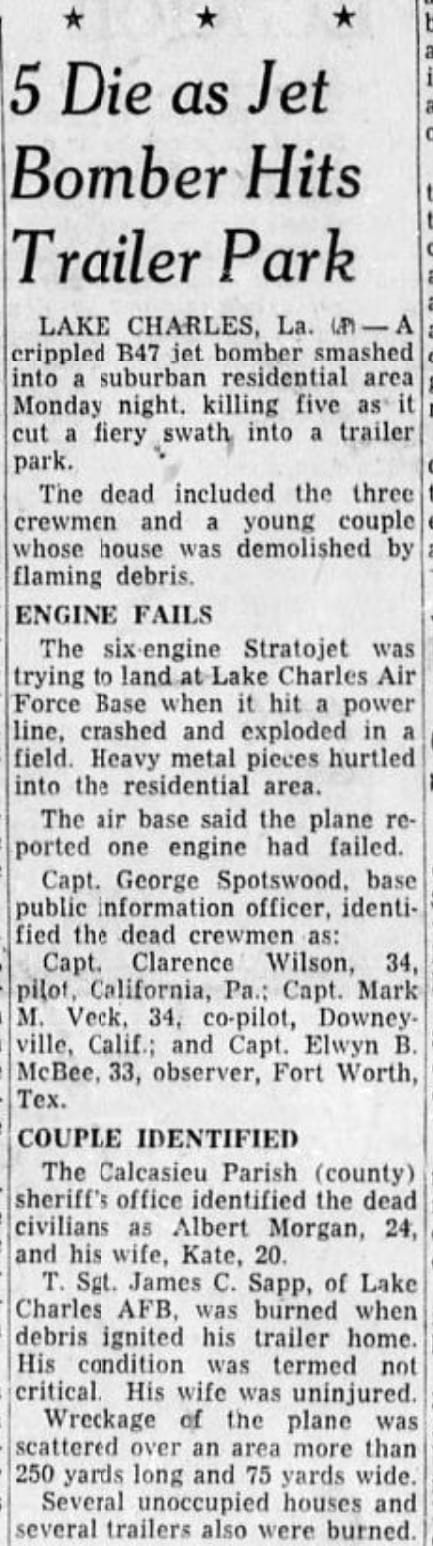
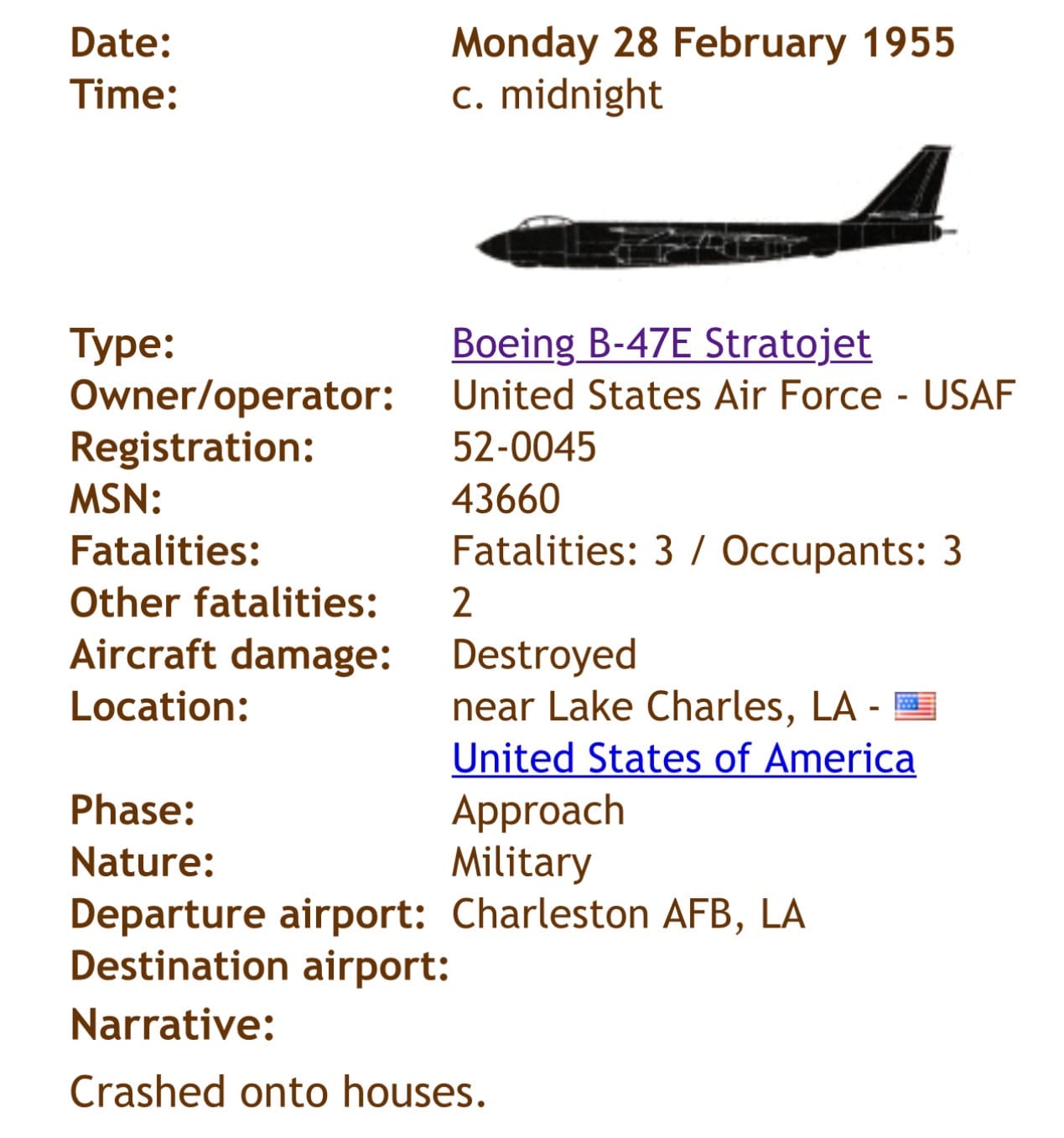
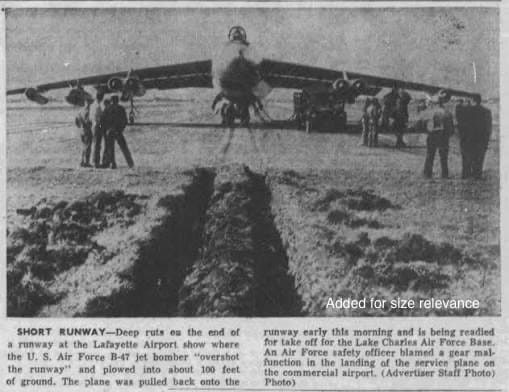
LAKE CHARLES, La. — On the evening of February 28, 1955, a B-47 bomber lifted off from Lake Charles Air Force Base with six engines humming. Not long after takeoff, one of those engines began to fail. The pilot shut it down and spent the next several hours circling, burning off fuel so the heavy aircraft would be light enough to land safely.
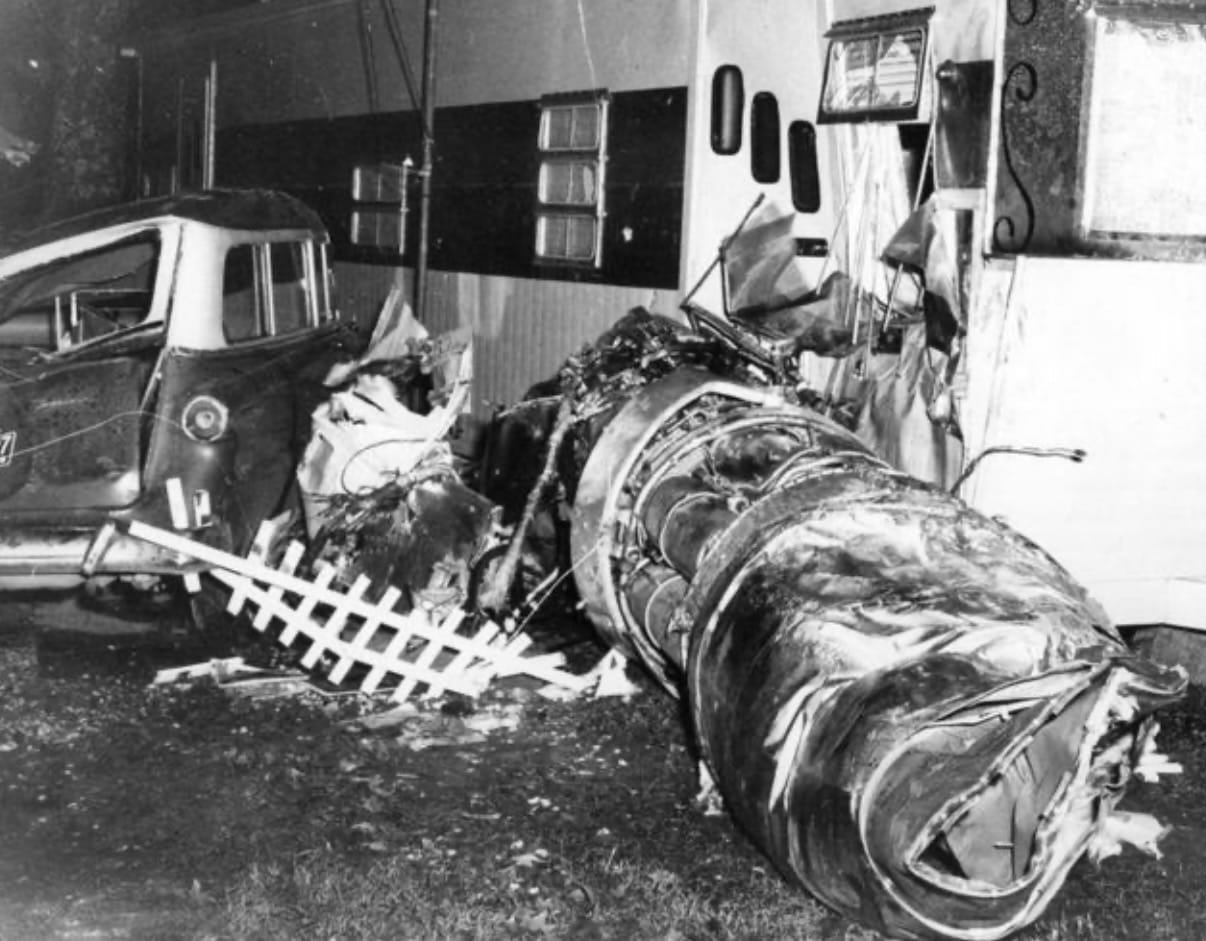
By 11:30 p.m., the bomber was on final approach. Five miles out, it was on course. Four miles out, still aligned. At three and a half miles, it began drifting left. Controllers instructed the pilot to turn right. No response. They tried again. Still nothing. Seconds later, the bomber swung 90 degrees right and vanished from radar. It had crashed into Hazel’s Trailer Village, near Highway 171 and Moeling Street.
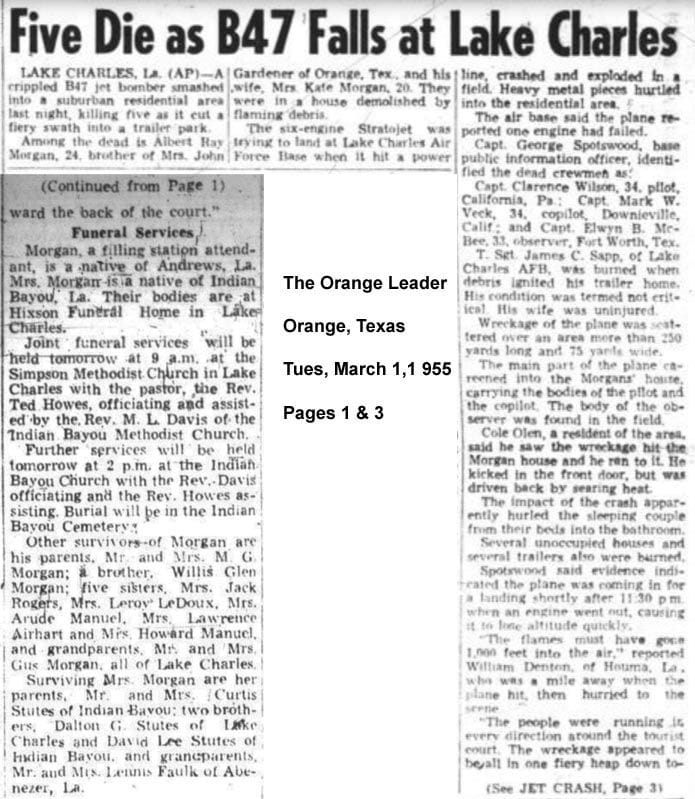
More than a mile away, William Denton saw the fireball. “The flames must have gone 1,000 feet into the air,” he later told reporters. Inside one trailer, Air Force Sergeant James Sapp woke to his wife Annie’s screams. The crash had thrown her from their bed. Their home was already on fire. Sapp wrapped her in a blanket and carried her out as the flames closed in. He suffered second- and third-degree burns across his head, neck, arms, and shoulders — injuries that would keep him in the hospital for 19 days.
A neighbor, Cole Olen, kicked open the front door of Albert and Kate Morgan’s trailer and searched through the smoke and heat until he was forced back outside. Albert, 24, and Kate, 20, were later found dead in their bathroom. Across the way, Lieutenant Eddy Jones and his wife survived because of a parked car. One of the bomber’s engines smashed into the vehicle and shoved it against their porch, shielding the trailer just enough.
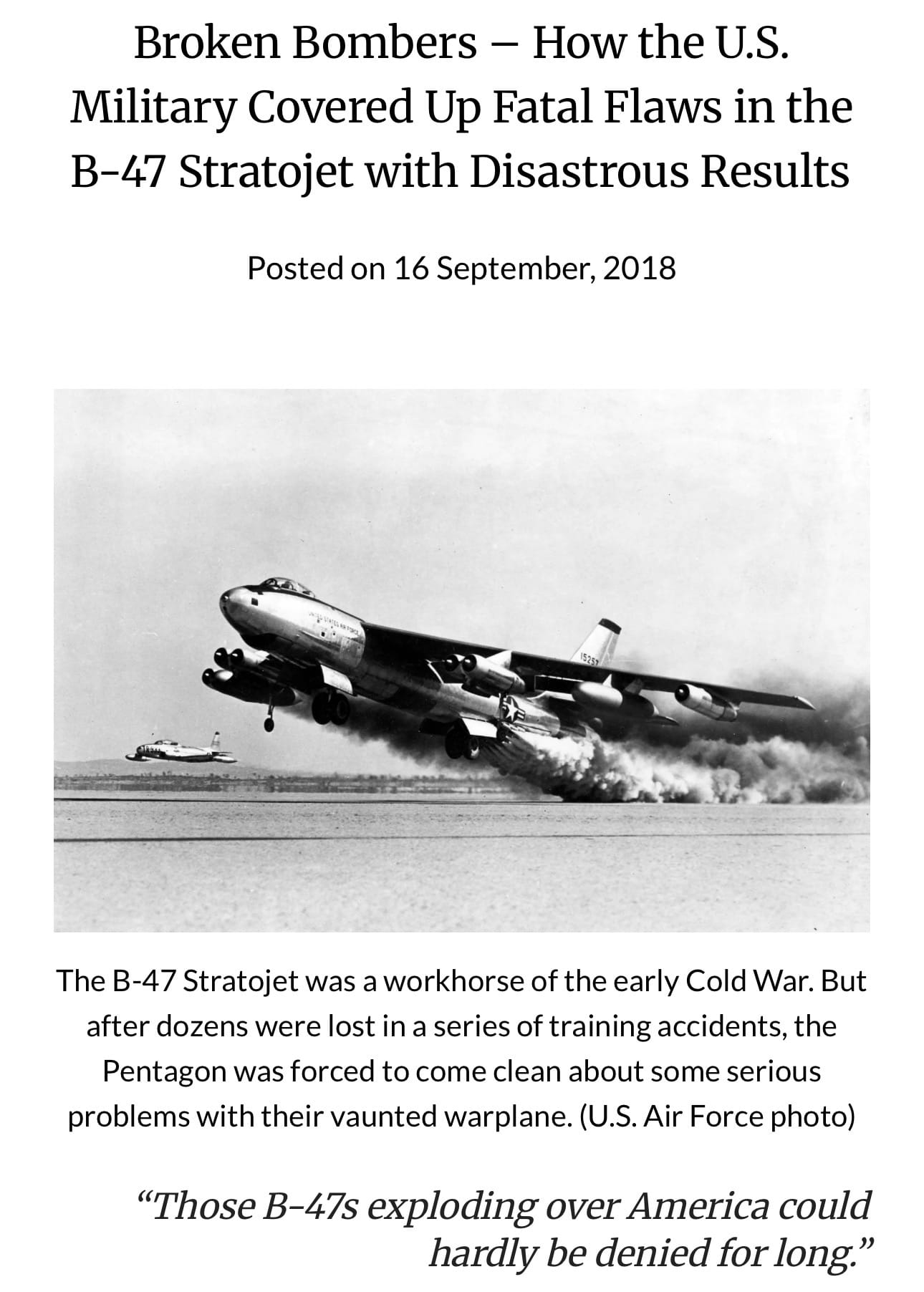
By morning, five people were dead. Homes lay in ruins. And one question hung over the wreckage. How does a United States Air Force bomber end up crashing into a neighborhood?
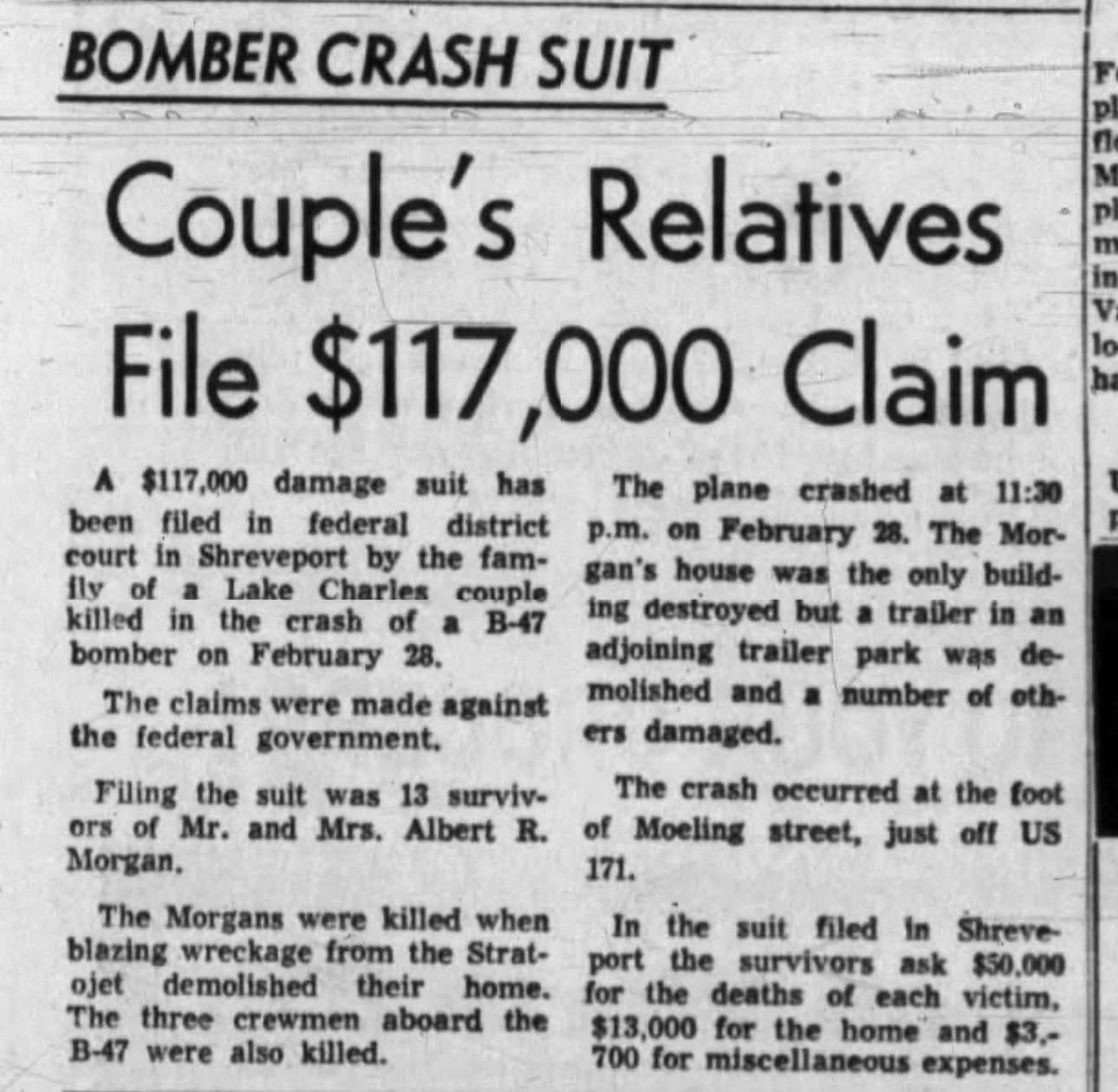
That December, thirteen relatives of the Morgans sued the federal government for $117,000. James and Annie Sapp filed their own claim. Military experts testified that a crash like this should not have happened if the aircraft had been properly inspected. Doctors described James’s burns and Annie’s psychological injuries, including the loss of their unborn child. The government tried to block James’s claim, arguing that as an active-duty airman he could not sue. U.S. District Judge Edwin Hunter disagreed. Sapp had been asleep in his own bed, not on duty. The court ruled the government negligent and awarded James $10,000 and Annie $3,000. The exact reason the bomber left its approach path was never fully explained.
In a strange twist of timing, residents went to the polls just hours after the crash to vote on $13.65 million in bonds meant to secure the base’s future. Newspapers wondered whether the disaster would sink the measure. It passed with 88% support. In 1958 the Air Force made it permanent and renamed it Chennault Air Force Base. Three years later, it announced plans to close it.
The airfield would eventually roar back to life under a different purpose. Yet February 28, 1955, would remain the final chapter for five people who never knew their lives were about to become part of its history. Three Air Force officers were making their final approach. Albert and Kate Morgan were asleep in their home. None would live to see the morning.
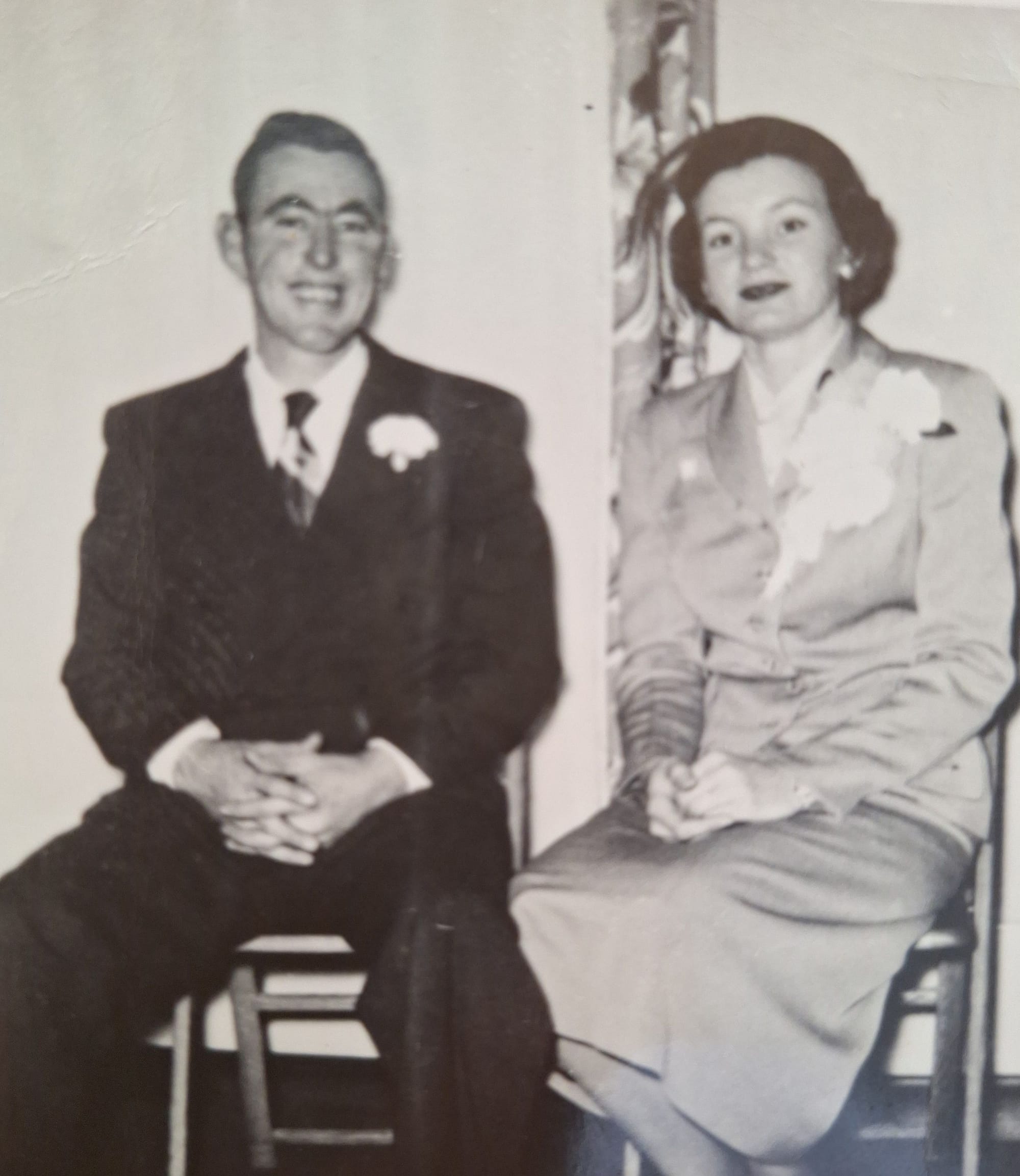
Albert Ray Morgan and Mary Katherine "Kay" Stutes Morgan
This story is written in remembrance of Albert Ray Morgan and Mary Katherine “Kate” Stutes Morgan, whose lives were lost on February 28, 1955, and the three Air Force officers who died that night, Captains Clarence Wilson, Mark Veck and Elwyn McBee.